Geometric Corner Frame SVG: Minimalist Graphics for Crafts & Content
First Impression: Stark, Confident, Instantly Editorial
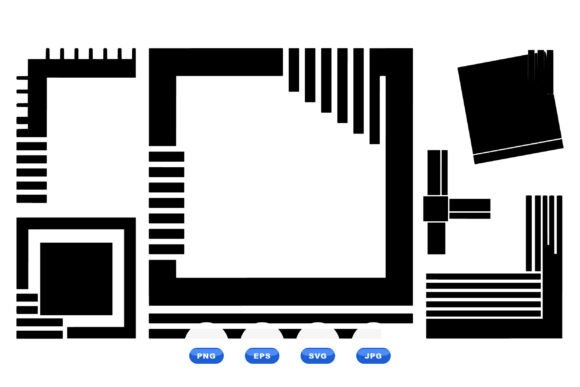
Opening the Geometric Corner Frame SVG ZIP file felt like unboxing a design tool built for clarity—not decoration. What stands out immediately is its minimalist flat design: bold black corner frames anchored by sharp, intentional geometric elements. There’s no gradient softness, no subtle shadowing—just high-contrast precision. That starkness isn’t harsh; it’s editorially assertive. It signals authority, intentionality, and visual discipline. For bloggers and digital publishers, this isn’t just another graphic design asset—it’s a tone-setter. It naturally supports niches where clean confidence matters: modern lifestyle blogs, creative small business branding, digital education platforms, affiliate marketing sites reviewing design tools, and editorial newsletters focused on aesthetics, productivity, or mindful making.
Where This SVG Fits Like a Precision Cut
In my 12 years designing blog ecosystems—from food publications to SaaS content hubs—I reach for assets that do heavy lifting *without* distracting. The Geometric Corner Frame SVG excels in real publishing workflows:
- Blog featured images: Framing hero shots with corner geometry adds structure without competing with photography or illustrations.
- Pinterest pins: Its bold black lines pop against scrolling feeds, improving click-through potential by reinforcing visual hierarchy at thumbnail scale.
- Newsletter headers & digital guides: Used as a subtle border around cover graphics or section dividers, it elevates lead magnets and downloadable resources instantly.
- Category thumbnails & website headers: When applied consistently across a site, it strengthens brand identity—especially for creative marketplaces or craft-focused blogs seeking cohesive, ownable design assets.
- Canva templates & social media graphics: As scalable vector elements, these frames integrate cleanly into editable templates used by online educators and affiliate marketers alike.
- Printable design & digital product covers: Whether wrapping an eBook on sustainable crafts or framing a worksheet for creative entrepreneurs, the geometry feels both contemporary and timeless.
Why It Boosts Content Performance—Not Just Polish
Let’s be clear: good blog graphics aren’t about “looking nice.” They’re performance infrastructure. The Geometric Corner Frame SVG delivers measurable value:
- Stronger first impression: Readers decide in under two seconds whether your content is worth their attention—the frame’s confident contrast creates instant visual weight.
- Better category recognition: Repeating the same corner motif across recipe cards, tutorial thumbnails, or resource bundles trains readers’ eyes—and builds trust through consistency.
- Improved reader trust: A polished, intentional layout signals professionalism—even on a self-published blog. That perception directly impacts time-on-page and sharing behavior.
- More consistent branding: Unlike stock photo overlays or generic borders, this SVG becomes part of your visual language—especially when paired with restrained typography and a tight color palette.
- Stronger visual identity: In crowded spaces like Pinterest or email inboxes, distinct geometry cuts through noise far more reliably than ornate flourishes or low-contrast motifs.
Best Places to Deploy—And Where to Pause
This SVG shines brightest where clarity and impact intersect:
- Hero images above long-form articles
- Article thumbnails on homepage grids
- Pinterest pin borders (especially vertical 2:3 or 4:5 ratios)
- Editorial accents in digital guides and downloadable printables
- Content upgrades like checklists, planners, or swipe files
- Newsletter headers and seasonal campaign banners
- Social media preview graphics for new blog posts or product launches
Use with care in:
- Small mobile thumbnails—test how legible the geometry remains below 200px width
- Text-heavy blog graphics where the frame could compete with headline hierarchy
- Low-contrast backgrounds (e.g., light gray or off-white)—the black frame needs true white or deep dark to sing
- BUSY layouts—avoid stacking with multiple decorative elements; let it anchor, not clutter
- Serious professional niches (e.g., legal, medical, finance) unless intentionally subverting expectations with modern minimalism
Publisher Notes You’ll Actually Use
Before dropping Geometric Corner Frame SVG into production, run these checks:
- Test on desktop AND mobile: Resize your browser, then view on actual devices—corner placement shifts dramatically on smaller screens.
- Preview inside a real blog layout: Drop it into your CMS editor or staging site. Does it enhance—or overwhelm—the surrounding content?
- Pair with fonts deliberately: Try it beside serif (e.g., Merriweather), sans-serif (Inter, Helvetica), script (Dancing Script), and display fonts (Bebas Neue). Note which pairings reinforce authority vs. playfulness.
- Check contrast & readability: Overlay headline text—does the black frame make white type harder to read? Adjust background or text color accordingly.
- Try grayscale: Some geometric assets lose impact without color—but this one holds up beautifully in monochrome, expanding its use in printables and accessibility-first designs.
- Verify file size & optimization: SVGs are lightweight, but confirm your CMS or CDN serves them efficiently—no unnecessary inline styling or embedded raster fallbacks.
- Confirm commercial license: Since this is a digital download from a creative marketplace, double-check usage rights—especially if applying it to monetized affiliate pages, paid digital products, or client websites.
A Design Asset That Earns Its Place
The Geometric Corner Frame SVG isn’t flashy—but it’s fiercely functional. As a blog designer who’s shipped hundreds of content sites, I know that the most valuable design assets don’t shout. They clarify. They organize. They build quiet confidence in every pixel. Whether you’re a small business owner crafting a media kit, an online educator launching a digital guide, or an affiliate marketer building Pinterest-driven traffic—this is the kind of minimalist graphics workhorse that makes editorial design feel intentional, trustworthy, and unmistakably yours.