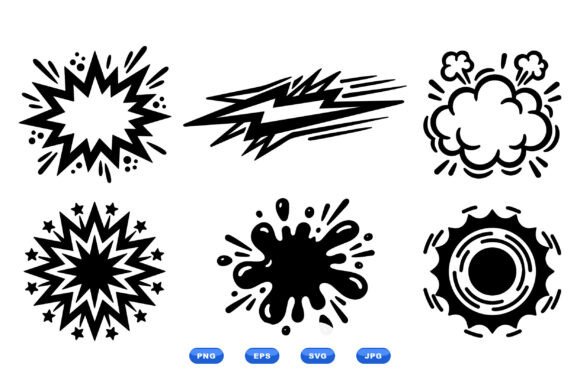
Dripping Ink Vector Clipart Pack
First Impressions: Bold, Graphic, and Unapologetically Minimal
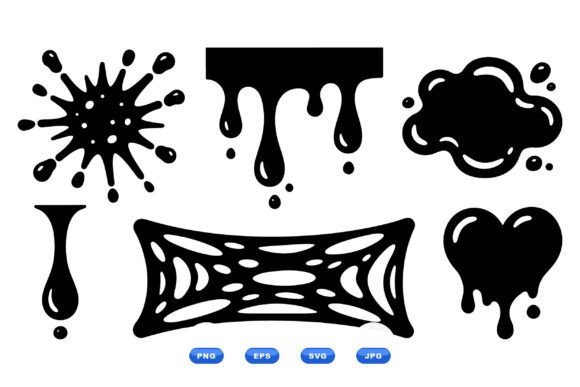
Opening the Dripping Ink Vector Clipart Pack feels like stepping into a studio where contrast is the main tool—sharp black shapes against implied white space, fluid drips meeting tight web-like linework, and organic blobs that somehow hold structure. It’s not “cute” or “whimsical.” It’s confident, contemporary, and quietly intense. As someone who’s stitched hundreds of designs onto everything from baby onesies to boutique aprons, I immediately asked: Where would this land best in real embroidery—not just as art on screen, but as thread on fabric?
A Real Project Test: Embroidering a Linen Tote for a Local Boutique
I pulled one of the mid-size dripping elements (roughly 3.5" wide) to test on a heavyweight natural linen tote—a staple for our local craft shop’s summer collection. Right away, the minimalist nature worked in its favor: clean outlines translated well to satin stitch borders, and the negative space between drips meant less fill stitch density. That’s critical. Too much dense fill on textured linen can cause puckering or thread breakage—and this pack avoids that trap by design. The web-like connectors added subtle rhythm without demanding ultra-fine detail. On hoop, it stitched cleanly at medium speed with tear-away stabilizer underneath and light cut-away on top.
Where It Shines (and Where It Needs Thought)
This isn’t a one-size-fits-all embroidery file. Its strength lies in intentional placement and context:
- Custom apparel: Works beautifully on sweatshirt sleeves or chest placements—especially on dark fabrics where the bold black silhouette reads instantly.
- Embroidered patch: Perfect for iron-on or sew-on patches on denim jackets or backpacks; the graphic edges hold up through wear and washing.
- Tote bag design and pillow cover applications benefit from the scale flexibility—the vectors resize crisply, so you can go small (2") for a delicate corner accent or large (5"+) for a statement piece.
- Holiday embroidery and wedding gifts gain quiet sophistication when paired with neutral linens or cotton twill—think monogrammed tea towels or minimalist baby blankets.
But caution is needed in certain scenarios:
- On stretchy fabric like knits or ribbed t-shirts, the sharp drips may distort if stabilizer isn’t layered thoughtfully—test with a balled-up scrap first.
- For tiny hoop sizes (<2.5"), avoid the most intricate web details—they’ll lose clarity and increase stitch time unnecessarily.
- On curved surfaces like caps, place the design low on the front panel—not over the crown—where the drip direction stays legible and doesn’t warp visually.
- With dark fabric, confirm your thread color has enough contrast—even black-on-black can read flat without careful sheen or texture variation.
What It Adds to Your Handmade Product—and What It Doesn’t
The Dripping Ink Vector Clipart Pack elevates perceived value not through complexity, but through deliberate restraint. A customer buying a custom embroidered apron with one of these elements isn’t getting “more stitches”—they’re getting intention. That matters for Etsy sellers and small shop owners: buyers associate clean, confident graphics with professional craftsmanship. It reads as “designed,” not “downloaded.”
It won’t suit every brand, though. If your craft business leans into rustic charm, floral motifs, or hand-lettered warmth, this pack might feel tonally dissonant. But for makers building a modern, urban, or editorial-leaning identity—think capsule wardrobe labels, gender-neutral baby items, or minimalist home goods—it bridges digital art and tactile making seamlessly.
Practical Embroidery Designer Notes You’ll Actually Use
Before cutting thread or listing a finished product:
- Test on scrap fabric—not just the same material, but the same weight and finish. Linen behaves differently than cotton poplin, even if both are “lightweight.”
- Check thread color contrast in natural light. Some black threads dull on charcoal fabric; consider matte vs. rayon sheen depending on your product’s aesthetic.
- Review stitch density in your embroidery software. If fill areas exceed 18–20% density on medium-weight fabric, simplify or convert to running stitch outlines instead.
- Confirm licensing before selling finished items or bundling into digital embroidery files. Since this is a Graphics asset marketed for Crafts use, verify whether commercial redistribution or derivative digital products are permitted.
- Use proper stabilizer—especially for textured or loosely woven fabrics. A lightweight cut-away often outperforms tear-away for crisp drip definition.
- Try black-and-white mockups first. These designs rely on shape and contrast, not color nuance—so grayscale previews reveal true readability.
Final Thought: A Design That Respects the Stitch
What makes the Dripping Ink Vector Clipart Pack stand out isn’t how many elements it includes—but how few it needs to make an impact. It understands embroidery as a medium: where negative space breathes, where bold lines anchor, and where simplicity survives laundering, stretching, and daily use. It’s not background noise. It’s a statement—clean, controlled, and ready for real fabric, real machines, and real customers who appreciate thoughtful design behind their handmade product. Whether you’re prepping a batch of personalized gifts or building a cohesive line for your small shop, this pack earns its place in your embroidery project toolkit—not as filler, but as focus.